
Moving Home – A Complete, Practical Guide for a Smooth and Stress-Free Move
Moving home is a major life event that affects not only your address but also your daily routine, finances, and overall comfort. Whether you are relocating to a new apartment, moving into a larger family house, or downsizing to simplify your lifestyle, moving home requires careful preparation and realistic planning. Many people assume moving home is just about packing boxes and hiring a truck, but in reality, it is a structured process with multiple stages that must be managed properly.
This guide is designed to walk you through every important part of moving home in a clear and practical way. Instead of short tips or surface-level advice, you will find detailed explanations that help you understand why each step matters and how to approach it correctly. If you want to reduce stress, avoid common mistakes, and feel confident throughout your move, this guide will give you the foundation you need.
Understanding What Moving Home Really Involves
Moving home is often underestimated because people focus only on the final day when belongings are transported. In reality, moving home starts weeks earlier with planning, decision-making, and organisation. Each stage builds on the previous one, and skipping steps usually leads to unnecessary stress, delays, or additional costs.
When moving home, you must consider timelines, budgeting, packing strategies, access conditions, and coordination with service providers. Furniture protection, box labelling, and access planning are just as important as the transport itself. A successful move is rarely accidental; it is the result of preparation and realistic expectations.
By understanding moving home as a process rather than a single event, you can manage it in smaller, more controllable steps. This mindset alone significantly reduces pressure and last-minute panic.
When and How to Start Planning Your Move
One of the biggest reasons moving home becomes stressful is starting too late. Ideally, planning should begin six to eight weeks before your intended moving date. Early planning gives you time to evaluate options, organise tasks logically, and avoid rushed decisions that often lead to mistakes.

A step-by-step overview of the moving home process
Starting early allows you to break the move into phases instead of trying to do everything at once. You can declutter gradually, source packing materials at lower cost, and secure better availability if professional help is required. When moving home is planned properly, each task feels manageable instead of overwhelming.
Another advantage of early planning is flexibility. If something changes—such as access times, schedules, or personal circumstances—you have enough time to adjust without creating chaos. Moving home becomes far more controlled when time is on your side.
Creating a Practical Moving Home Checklist
A detailed checklist is one of the most powerful tools when moving home. It turns a complex process into a clear sequence of actions and helps ensure that nothing important is forgotten. Rather than relying on memory, a checklist keeps everything visible and organised.
Several weeks before Moving house, the focus should be on decision-making and preparation. This includes setting a realistic budget, sorting through belongings, and organising logistics. As moving day approaches, the checklist shifts toward packing, confirmations, and final preparations.
Using a moving home checklist also helps reduce mental fatigue. Instead of constantly worrying about what needs to be done next, you simply follow the plan. This structure creates confidence and keeps stress levels under control throughout the move.
Decluttering Before Moving Home
Decluttering is one of the most overlooked yet valuable steps when moving home. Every item you choose not to move saves time, effort, and cost. Many people only realise how much they own when they start packing, which is why decluttering should begin early in the process.
Moving house provides a natural opportunity to reassess what you actually need. Items that have not been used in years often take up space without adding value. By donating, selling, or responsibly discarding unnecessary belongings, you make packing easier and reduce the volume of items being transported.
Beyond practical benefits, decluttering also has a psychological impact. Starting fresh in a new home feels far better when you are not surrounded by excess clutter from the past. This step alone can make moving home feel lighter and more purposeful.
Packing Properly for a Smooth Move
Packing is one of the most time-consuming parts of Moving house, and doing it incorrectly can cause damage, confusion, and frustration. Effective packing is not about speed; it is about organisation and protection.
Packing room by room helps maintain order and makes unpacking far easier. Clearly labelled boxes allow you to identify contents quickly and prioritise essentials. Using appropriate materials for fragile items reduces the risk of breakage and prevents unpleasant surprises at your new home.
When moving home, it is also important to prepare an essentials box containing items you will need immediately. This may include toiletries, important documents, chargers, basic kitchen supplies, and a change of clothes. Having these items accessible prevents unnecessary searching after a long moving day.
Professional Support vs DIY When Moving Home
A common decision people face when moving home is whether to handle everything themselves or seek professional assistance. While DIY moves may appear cost-effective at first, they often involve hidden risks such as injury, damage, or delays.
Professional movers bring experience, equipment, and efficiency to the process. For many people moving home, working with a reliable removalist Sydney service helps reduce physical strain and ensures belongings are handled safely. This is especially important when dealing with heavy furniture, stairs, narrow hallways, or tight schedules.
Choosing professional support allows you to focus on settling into your new environment instead of worrying about logistics. For moves involving apartments or complex access, experienced local movers Sydney can make a significant difference.
Common Mistakes That Make Moving Home Harder
Even well-prepared individuals can make mistakes when moving home. One of the most common errors is underestimating how long packing and loading will take. Tasks often take longer than expected, especially when access issues or unexpected obstacles arise.
Another frequent mistake is poor labelling. Without clear labels, unpacking becomes disorganised and time-consuming. Ignoring access conditions such as parking restrictions or lift bookings can also cause delays and additional stress on moving day.
Finally, choosing services based solely on price often leads to disappointment. Extremely low quotes may come with hidden costs or reduced service quality. When moving home, value and reliability are more important than the lowest price.
How Long Does Moving Home Usually Take?
The time required for moving home depends on factors such as property size, distance, access conditions, and preparation level. Smaller properties may take only a few hours, while larger family homes can require a full day or more.
Good preparation plays a major role in reducing moving time. Clear access, organised packing, and a realistic plan all contribute to a smoother and faster move. Moving home becomes far more efficient when each stage is handled methodically.
Moving Home With Family, Children, or Pets
Moving affects more than just logistics; it also impacts emotional well-being, especially for children and pets. Preparing them in advance helps ease the transition and reduces anxiety.
Maintaining familiar routines, explaining the move clearly, and keeping essential items accessible can help children adjust more easily. For pets, creating a quiet space during moving day and introducing them gradually to the new environment helps minimise stress.
A thoughtful approach ensures that moving home is a positive experience for everyone involved.
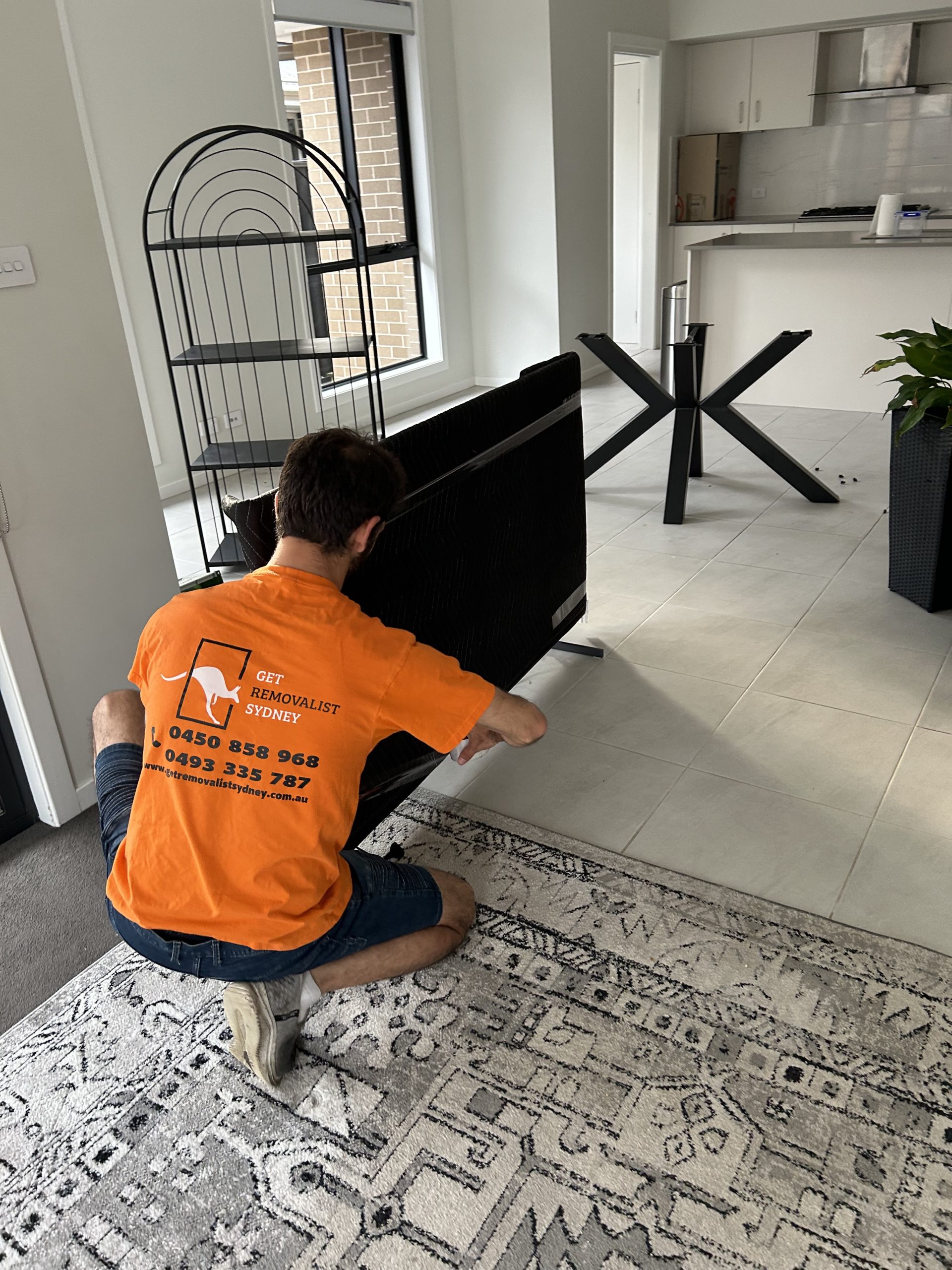
Moving Home Guide – Plan, Pack and Move Without Stress
Preparing for Moving Day
Moving day is the culmination of weeks of preparation. Being organised and calm helps everything run smoothly. Ensuring boxes are ready, access paths are clear, and important items are kept with you prevents unnecessary complications.
Supervising loading and unloading allows you to address questions quickly and ensures items are placed correctly. Staying present and organised on moving day sets the tone for a successful transition into your new home.
Settling In After Moving Home
Once moving home is complete, the focus shifts to settling in. Unpacking essential rooms first, checking utilities, and updating remaining address details helps you feel comfortable more quickly.
Taking time to organise your new space properly creates a sense of stability and completion. Moving home does not end when the truck leaves; it ends when your new place truly feels like home.
Final Thoughts on Moving
Moving home is a significant change, but with proper planning, realistic expectations, and the right support, it can be a smooth and rewarding experience. By approaching the process step by step, avoiding common mistakes, and staying organised, you can reduce stress and stay in control.
Whether you handle the move yourself or work with experienced moving services Sydney, the key to success lies in preparation. Moving team becomes far easier when you understand the process and plan accordingly.
Planning a move also means understanding your rights and responsibilities, which is why it’s helpful to review official moving and tenancy guidelines provided by government authorities.